Source dried whole ruticarpum fruits for herbal medicine, food, and beverages
Explore 30 listings for dried whole ruticarpum fruits available from Chinese suppliers. Buyers can compare specifications, packaging options, and prices for uses in herbal medicine, food ingredients, and beverages.
Key considerations
Products List


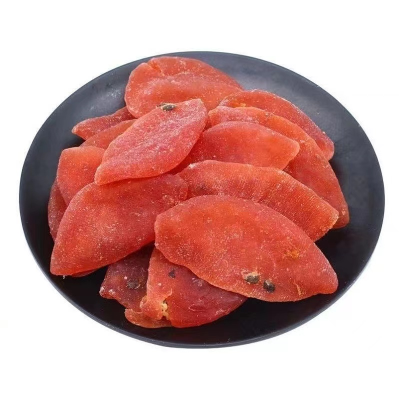


$1999.00 - $2999.00
Moq: 1


Comprehensive Sourcing Guide
Strategic Sourcing Guide for Dried Whole Ruticarpum Fruits
The procurement of dried whole ruticarpum fruits, often identified in trade contexts as dried raspberry or specific herbal variants like Rubi Fructus, requires a nuanced understanding of botanical classification, processing methodologies, and regulatory compliance. In the B2B marketplace, buyers must navigate a landscape where product names can vary significantly between commercial descriptions and traditional medicinal nomenclature. The core keyword "dried whole ruticarpum fruits" encompasses a range of products that may be marketed as freeze-dried raspberries, dehydrated whole fruits, or crude medicines depending on the intended application. This guide provides a disciplined framework for sourcing these materials, ensuring that procurement decisions are grounded in verified product attributes and industry standards rather than speculative claims.
Technical Specifications and Processing Methodologies
The technical definition of the product is the primary differentiator in this category. The supply chain for dried whole ruticarpum fruits is characterized by distinct drying processes that fundamentally alter the physical and chemical properties of the raw material. Evidence from current market listings indicates two dominant processing technologies: Freeze Drying (FD) and Air Drying (AD). Products labeled as "Freeze Dried Raspberry Whole" or "FD0025" utilize the FD process, which is critical for preserving the structural integrity of the fruit. This method results in a product with a specific shape often described as "cracking" or retaining the whole form, maintaining a high percentage of active substances, with some specifications noting content levels exceeding 90%.
In contrast, air-dried variants or those processed via AD may exhibit different textural properties. The physical form is another critical specification. Buyers must verify whether the product is "Whole," "Diced," or "Cracking." The "Whole" specification is often associated with higher value applications in food and beverage, while "Diced" or "Powder" forms are more common in extract manufacturing. The color profile is another observable attribute; while some listings specify a "Yellow" hue, others describe the color as "Natural," reflecting the inherent variation in the raw material. The raw material itself is consistently cited as "100% Fresh Raw Material," which is a prerequisite for ensuring the final dried product meets food-grade or medicinal-grade standards.
Nutrient Composition and Active Constituents
Understanding the biochemical profile of the dried fruit is essential for both food formulation and herbal medicine applications. The nutrient composition varies based on the specific cultivar and processing method. Common attributes observed in the market include the presence of Vitamins, Minerals, Proteins, Amino Acids, and Lipids. For applications focused on nutritional supplementation, the presence of Vitamin and Protein is a key verification point. However, for buyers in the herbal medicine sector, the focus shifts to specific active ingredients.
The product known by its Latin name Rubi Fructus and Chinese name Fu Pen Zi is characterized by specific active compounds. These include Ellagic Acid and Kaempferol-3-O-Rutinoside. The presence of these compounds defines the therapeutic potential of the material. The properties of the fruit are described as "Sweet, Sour" with a "Warm" nature, entering the Liver, Kidney, and Bladder meridians in the context of Traditional Chinese Medicine (TCM). Buyers must distinguish between products marketed purely as food ingredients, which emphasize Vitamin and Mineral content, and those marketed as crude medicines, which emphasize the concentration of specific active ingredients. The dosage instructions for medicinal variants often suggest preparation methods such as being "Fried Served with Water," indicating that the raw dried fruit requires further processing before consumption.
Compliance, Certification, and Regulatory Standards
Navigating the regulatory landscape is a critical component of sourcing dried whole ruticarpum fruits. The product must meet specific grade standards to be eligible for sale in various jurisdictions. The most frequently cited standard for these products is "Food Grade," which applies to both the raw material and the final dried product. In some contexts, particularly for high-purity extracts or pharmaceutical applications, the "USP" (United States Pharmacopeia) grade may be referenced, though this requires rigorous verification against specific monographs.
Certification status is a primary indicator of a supplier's compliance with international quality management systems. Verified suppliers in this category often hold a combination of certifications including FDA registration, ISO9001, ISO22000, GMP (Good Manufacturing Practice), and HACCP (Hazard Analysis and Critical Control Points). These certifications are not merely marketing tools but are essential for ensuring that the production environment adheres to strict hygiene and safety protocols. The "Food Grade" standard is also reinforced by the requirement that the product originates from a facility that adheres to these recognized standards. Buyers should verify that the specific batch they are purchasing is covered under the supplier's current certification validity, as certifications can lapse or be specific to certain production lines.
Cost Drivers and Economic Factors
The pricing structure for dried whole ruticarpum fruits is influenced by several variable factors, primarily the processing method, packaging specifications, and order volume. The observed price range in the market is extensive, spanning from $1 to $8,999 USD, which reflects the diversity of product grades, packaging sizes, and order quantities. The Minimum Order Quantity (MOQ) is a significant cost driver, with observed ranges extending from 1 unit up to 3,000 kg. A specific high-confidence fact indicates an MOQ of 200kg for certain bulk listings, suggesting that smaller orders may incur higher per-unit costs or may not be available for specific product models.
Packaging plays a dual role in cost and quality preservation. Common packaging configurations include "5kg Per Bag" or "1kg/Bag, 20bags/CTN." The material used for packaging is also a variable; options range from "PP Bag+Carton" to "PE Bags or Carton," and in some cases, "Paper" packaging is noted. The choice of packaging material affects the shelf life and protection against moisture, which is critical for dried fruits. The "Shelf Life" is another economic factor; while some products are listed with a shelf life of 24 months or 2 years, bulk packing may have a shorter shelf life of 12 months. Buyers must balance the cost of bulk purchasing against the risk of inventory obsolescence due to shelf-life limitations. Additionally, the availability of "Free Samples" can reduce the initial cost of evaluation, allowing buyers to verify quality before committing to large MOQs.
Supplier Evaluation and Origin Verification
When evaluating potential suppliers, the geographic origin of the product is a key indicator of quality and consistency. The primary origin for these products is identified as China, with specific regions like Hunan noted as production hubs. This localization is important because the terroir and agricultural practices in specific regions can influence the nutrient profile and active ingredient concentration of the fruit. Buyers should verify the exact location of the processing facility to ensure it aligns with their supply chain requirements.
Supplier reliability is further assessed through their customization capabilities. The market data indicates that "Customization" is available, allowing buyers to request specific shapes, packaging, or processing methods. This flexibility is crucial for B2B buyers who need products tailored to their specific manufacturing lines. The availability of "Free Samples" is another positive indicator of supplier confidence and transparency. However, buyers must remain cautious of suppliers who make unverifiable claims about performance or test results. The focus should be on suppliers who can provide documentation for their certifications and who demonstrate a clear understanding of the product's technical specifications, such as the distinction between "Freeze Dried" and "Dehydrated" forms.
Quality Control and Long-Term Procurement Strategy
Implementing a robust quality control (QC) protocol is essential for maintaining the integrity of the supply chain. Given the variability in drying processes and the sensitivity of dried fruits to moisture and temperature, QC checks should focus on moisture content, microbial load, and the preservation of active ingredients. The "Storage" requirements are critical; while some products are stored at "Room Temperature" or "Normal" conditions, others require "Low Temperature" storage to maintain quality. The "Storage Method" must be strictly adhered to during transit and warehousing to prevent degradation.
For long-term procurement, buyers should establish a relationship with suppliers that offers stability in supply and consistency in quality. The "Product Name" and "Model" specifications should be standardized in contracts to avoid ambiguity. For instance, distinguishing between "Fd Raspberry Whole" and "Dehydrated Raspberry Whole" is vital for ensuring the correct product is delivered. The "Type" of product, whether classified as "Crude Medicine" or a food ingredient, dictates the regulatory framework and testing requirements. Buyers should also consider the "Transport Packaging" to ensure that the product arrives in the same condition as it left the factory. By focusing on verified attributes such as the "Grade," "Certificate," and "Origin," buyers can mitigate risks associated with substandard products and ensure a reliable supply of dried whole ruticarpum fruits for their operations.
Application Scenarios and Market Integration
The versatility of dried whole ruticarpum fruits allows for integration into diverse market sectors. In the food and beverage industry, the "Vitamin" and "Mineral" content makes these products suitable for nutritional supplements, smoothies, and baked goods. The "Sweet, Sour" flavor profile and "Natural" color are advantageous for product formulation where artificial additives are to be avoided. In the pharmaceutical and herbal medicine sectors, the specific active ingredients like Ellagic Acid and Kaempferol-3-O-Rutinoside are the primary drivers of demand. The "Usage" as "Chinese Herbal Medicine" highlights the product's role in traditional formulations, where the "Meridians Entered" and "Properties" are considered in the preparation of remedies.
The "Shape" of the product, whether "Cracking" or "Whole," also influences its application. Whole fruits are often preferred for teas or direct consumption, while diced or powdered forms are better suited for extraction processes or incorporation into capsules and tablets. Understanding these application nuances allows buyers to select the precise product model that aligns with their end-use requirements. Whether sourcing for "Food Grade" applications or specialized medicinal uses, the alignment of technical specifications with the intended application is the cornerstone of successful procurement in this category.
FAQs
What drying processes are used for dried whole ruticarpum fruits?
The primary drying processes used are Freeze Drying and Air Drying. Freeze Drying preserves structural integrity while Air Drying offers alternative textural properties. Both methods utilize 100% fresh raw material as the starting point for production.
Which certifications do suppliers typically hold for these products?
Suppliers typically hold FDA, ISO9001, ISO22000, GMP, and HACCP certifications. These standards ensure compliance with international quality management systems and hygiene protocols required for food grade and medicinal grade products.
How is the shelf life defined for bulk packed dried fruits?
Bulk packed dried fruits generally have a shelf life of 12 months. Standard packaging may offer a longer shelf life of up to 24 months or 2 years depending on storage conditions and specific product models.
Can buyers request customization for shape and packaging specifications?
Yes, customization is available for shape, packaging, and processing methods. Buyers can specify forms like whole, diced, or cracking shapes and choose packaging materials such as PP bags, PE bags, or cartons to meet their needs.
What is the minimum order quantity for bulk purchases?
The minimum order quantity for certain bulk listings is 200kg. However, observed MOQ ranges in the market extend from 1 unit up to 3000kg depending on the specific supplier and product configuration.
Where are the primary production origins for these fruits located?
The primary production origins are located in China, with specific regions like Hunan noted as key hubs. This localization influences the terroir and agricultural practices that affect the nutrient profile of the final product.
What active ingredients are found in the medicinal variant of this fruit?
The medicinal variant contains Ellagic Acid and Kaempferol-3-O-Rutinoside as key active ingredients. These compounds define the therapeutic potential for applications in Chinese herbal medicine and traditional formulations.